


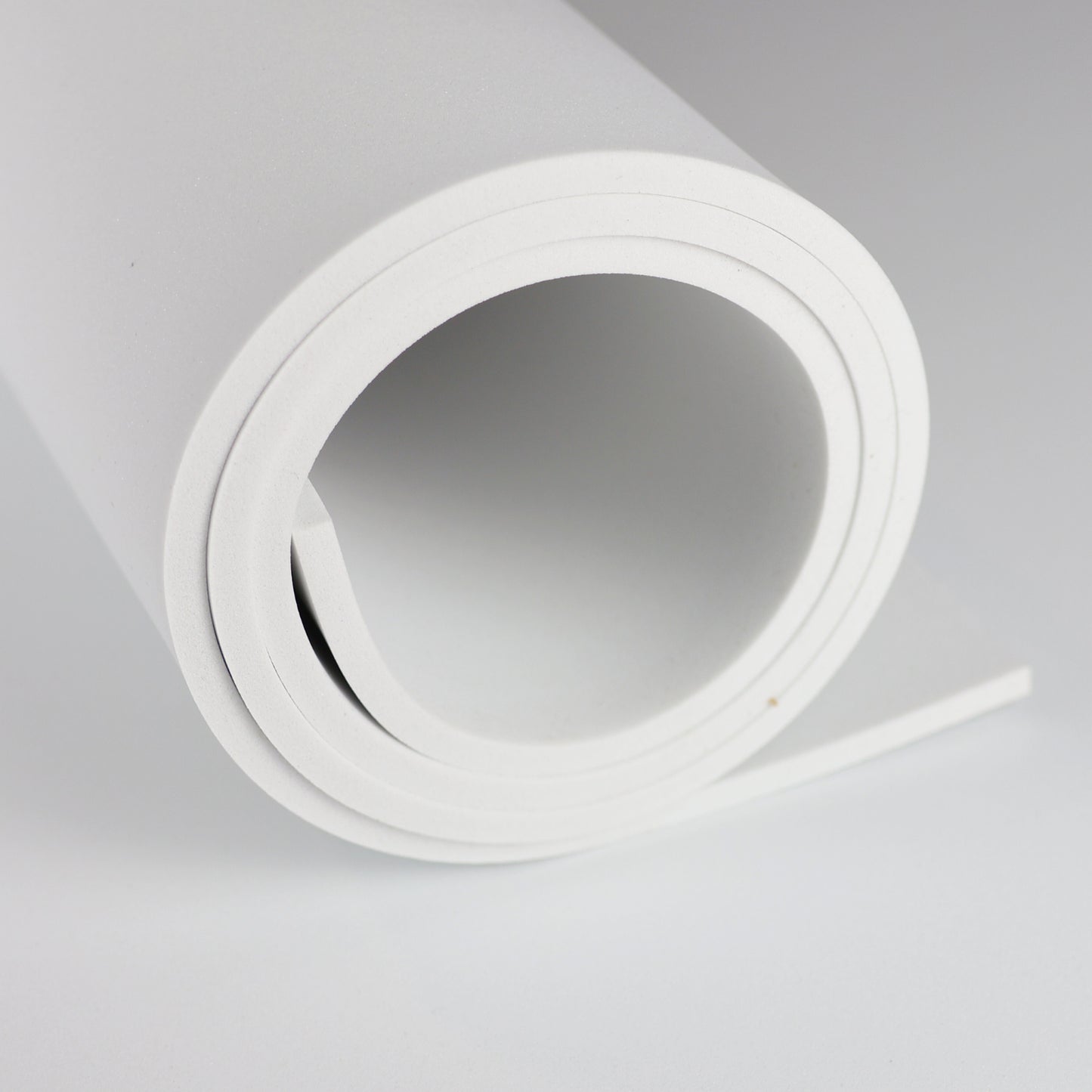
EVA foam 65 kg/m3, 2 mm white - 100x100 cm
EVA foam 65 kg/m3, 2 mm white - 100x100 cm

plus shipping from 11,99 zł
Shipping options
 Paczkomat Inpost11,99 złFrom 80 zł:
0,00 zł
1–3 business days
Paczkomat Inpost11,99 złFrom 80 zł:
0,00 zł
1–3 business days
 Punkt odbioru DPD11,99 złFrom 80 zł:
0,00 zł
1–3 business days
Punkt odbioru DPD11,99 złFrom 80 zł:
0,00 zł
1–3 business days
 Punkt odbioru DHL11,99 złFrom 80 zł:
0,00 zł
1–3 business days
Punkt odbioru DHL11,99 złFrom 80 zł:
0,00 zł
1–3 business days
- Kurier16,99 złFrom 100 zł:
0,00 zł
1–3 business days


All prices include VAT.


Shipping & returns
Secure payments
Your payment information is processed securely.


Description
Professional EVA foam for high-precision cosplay projects
This high-quality EVA foam with a density of 65 kg/m3 serves as a reliable foundation for durable and aesthetically pleasing costume elements. The material is characterized by exceptional smoothness and flexibility, making it a premium cosplay material for armor builders and prop makers. With a thickness of 2 mm, this product is perfectly suited for crafting intricate details, delicate ornaments, and clean surface finishes.
Key product features
- High density: The 65 kg/m3 density provides excellent structural stability and superior resistance to deformation. This ensures that even complex cosplay armor parts maintain their intended shape during long-term use.
- Optimal thickness: The 2 mm gauge is ideal for creating fine architectural details, layered overlays, and embossed textures. It offers the perfect balance between flexibility and material strength for detailed work.
- Versatile color: The neutral white shade simplifies the painting process by allowing for vibrant color payoff with fewer layers of primer. It acts as an excellent base for various light-colored pigments and high-detail finishes.
- Large format: Supplied in a 100x100 cm sheet, this product offers an expansive working surface for large-scale projects. The generous size allows for efficient pattern layout and minimizes material waste.
- Easy processing: This foam is highly receptive to cutting, sanding, and heat-shaping with a heat gun. It is fully compatible with most contact adhesives used in professional prop making.
Primary applications
Intricate armor detailing
The low thickness makes this foam the top choice for creating elaborate filigree, embossed ornaments, and refined armor edges. Its smooth texture ensures that once finished, your components achieve a highly professional, realistic appearance.
Costume finishing touches
This product excels as a material for decorative applications added to the primary base of the armor. The inherent elasticity of the foam ensures that the final piece remains comfortable and allows for full freedom of movement while worn.
Detailing props and accessories
With its consistent 65 kg/m3 density, this foam provides a stable surface for smaller weapon details and character accessories. It can be easily layered or combined with thicker sheets to achieve the desired silhouette for any specific build.
For secure bonding, we highly recommend using our specialized contact adhesives. To ensure a professional finish before painting, prepare the foam surface with our dedicated primers and sealants.
Specification
| Attribute | Value |
|---|---|
Thickness |
2 mm |
Self-adhesive |
No |
Color |
White |
Density |
65 kg/m3 |
Size |
100x100 cm |
SKU: |
MGC-EVAF-0071 |
EAN: |
5904423961786 |
Reviews
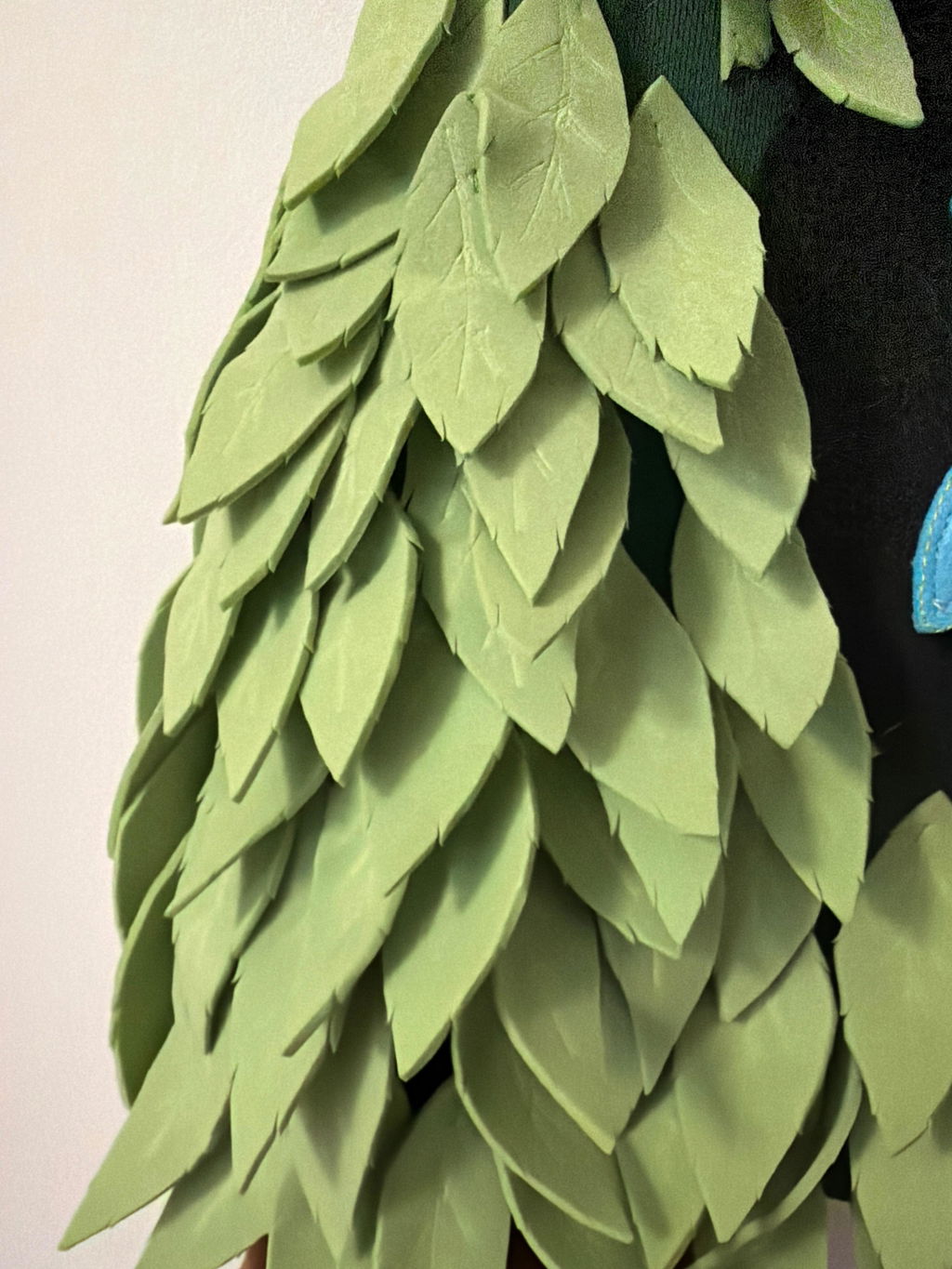
Pianka bardzo dobrej jakości. Użyłam do zrobienia stroju karnawałowego dla dziecka i bardzo dobrze się sprawdziła. Polecam
Profesjonalna obsługa
Kupiłam tą piankę z myślą o zrobieniu własnego kostiumu na Halloween i jestem mega zadowolona. Materiał świetnie się do tego nadaje, łatwo się go przycina i można go formować bez problemu. Do takich kreatywnych projektów sprawdza się naprawdę dobrze. Polecam!
Wszystko w porządku. Nie jest porowata
Wszystko ok
Użyłem do dylatacji .
Pianka w 100% spełnia oczekiwania, idealnie nadała się do mojego projektu!
Zgodny z oczekiwaniami, wszystko ok.
